
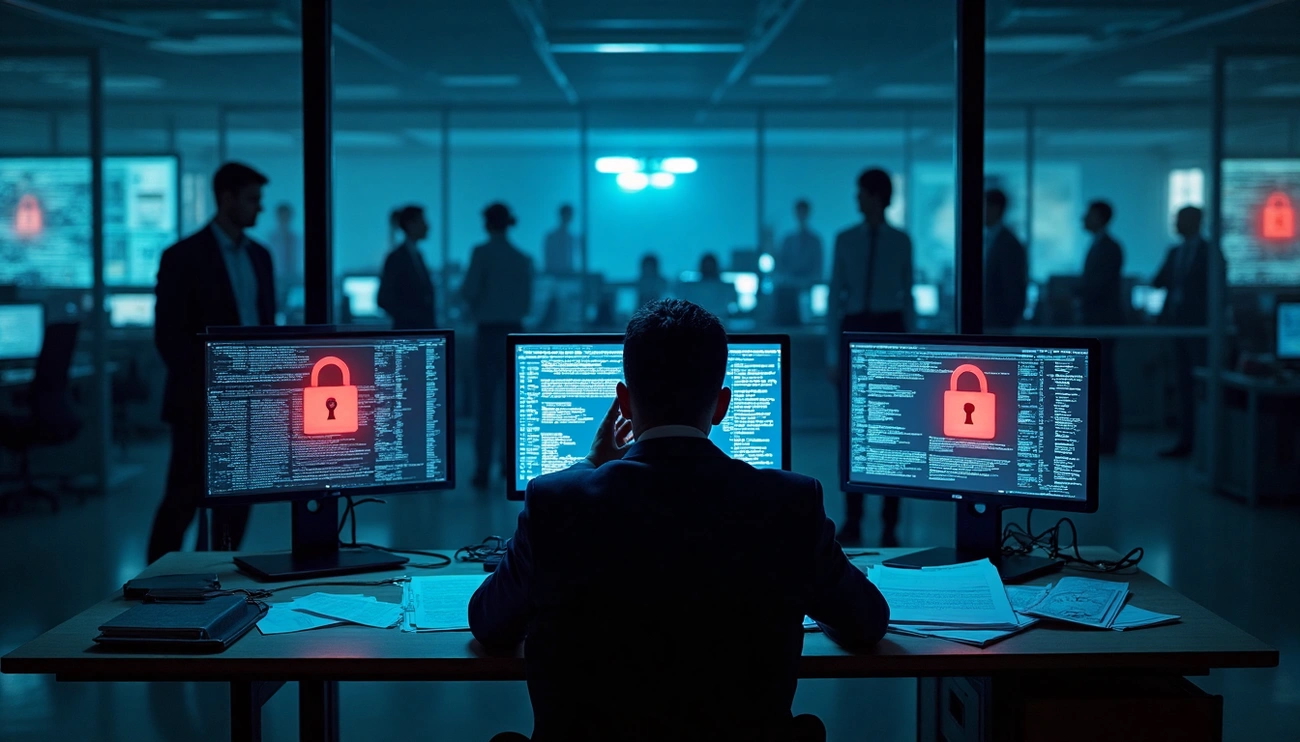
Real Cost of Ransomware Attacks: Ransomware attacks hit businesses relentlessly – a new attack happens every 11 seconds. This harsh reality has created a cybersecurity crisis that gets worse year after year. The costs keep climbing, and experts believe global damages will reach $275 billion each year by 2031.
These attacks hurt businesses in ways that go far beyond the obvious. Last year’s average ransomware breach cost companies $4.54 million, while ransom payments shot up by 500% in just twelve months. Many of the targeted organizations lost substantial revenue after getting hit. The damage doesn’t stop at money – about 58% of businesses had to shut down in 2024 after falling victim to ransomware. The attacks left 53 percent of companies dealing with severe damage to their brand name and reputation.
This piece dives into the real costs that lurk behind ransom payments. You’ll learn why paying attackers creates more problems than it solves, and what businesses should expect as these threats keep changing.
The many ways ransomware affects a business
Ransomware attacks leave businesses with deep scars that last well beyond paying the ransom. These malicious actors who lock critical systems trigger a devastating chain reaction throughout the organization.
Loss of access to critical systems
Ransomware strikes paralyze businesses by cutting off access to vital data and systems. Attackers encrypt files that remain locked until they provide a decryption key. The bad news doesn’t end with paying the ransom. Many victims find their decrypted files corrupted or incomplete. Research shows that more than 55% of organizations have never received a working decryption key after payment. This leaves businesses facing permanent loss of critical information. Data breaches take about 326 days to find and contain completely.
Operational downtime and halted productivity.
Businesses typically face 22 days of downtime after a ransomware attack. Each hour costs them roughly $53,000. This complete shutdown blocks employees from using essential systems, stops transactions, and breaks communication channels. Comparitech estimates that downtime from ransomware could cost $17 billion over the last 5-6 years. The costs of this downtime are nowhere near the actual ransom – they’re almost 50 times higher. This shows how business interruption causes much more financial damage than the ransom payment itself.
Customer trust and brand damage
Ransomware attacks severely damage a company’s reputation for years to come. About 75% of customers will move to competitors if a company gets hit by ransomware. The numbers get worse – 81% of consumers feel “very scared or worried” about their data being held by companies without resilient protection against ransomware. A single ransomware attack shatters consumer confidence. The proof? About 87% of consumers say they’ll take their business elsewhere after a data breach.
Employee layoffs and leadership turnover
The human toll of ransomware often goes unnoticed but hits just as hard. Around 29% of organizations hit by ransomware had to let go of their employees. Some businesses shut down completely. The Heritage Company’s story stands out – they had to lay off all 300+ employees after a devastating attack, even after paying the ransom. The damage reaches the top, too. One-third of organizations changed their leadership after a cyberattack. About 35% reported C-level executives stepping down specifically after ransomware incidents. These leadership changes make it harder to recover and stay stable during an already chaotic time.
Breaking down the real cost of ransomware attacks
The financial reality behind ransomware headlines hits businesses harder than most realize. Let’s explore how these attacks truly impact companies’ bottom lines.
Ransom payments: average and extremes
The numbers around ransom demands have shot through the roof. The average payment jumped 500% to $2 million in just one year, up from $400,000. The big numbers are shocking – a Fortune 50 company had to pay $75 million to the Dark Angels ransomware group in 2024. This is the biggest confirmed ransom anyone has paid. Other principal payments came from CNA Financial ($40 million), Caesars Palace ($15 million), and JBS ($11 million).
Recovery and incident response expenses
The ransom itself is just the tip of the iceberg. The average recovery cost now stands at $2.73 million, which is almost $1 million more than last year. Some cases turn catastrophic – Change Healthcare’s attack racked up direct costs over $800 million. The total damage could run between $2.5 billion and $3 billion.
Legal fees and regulatory fines
Regulatory penalties make the financial pain even worse. The UK Information Commissioner’s Office slapped one IT provider with a £3.07 million ($4 million) fine after a ransomware breach. U.S. companies face their challenges, with about 18% of ransomware attacks leading to lawsuits in 2023. This creates huge legal bills on top of mandatory breach notifications that companies must send within 30-45 days.
Cyber insurance limitations
Insurance doesn’t always save the day. The Ohio Supreme Court ruled that a single policy couldn’t cover ransomware, as it does not cause “physical harm” to computers. Even more troubling, 42% of organizations that had cyber insurance said their provider only covered part of their losses.
Increased premiums and denied claims.
Insurance premiums have jumped 20-50% through 2021. Healthcare organizations got hit particularly hard with 50-100% increases for similar or less coverage. Insurance companies turn down claims more often now. BitPay learned this the hard way when their $1.8 million claim was rejected because their policy didn’t consider the loss “direct”.
Why paying the ransom doesn’t solve the problem.
Paying the ransom might seem like the fastest way to recover, but this choice often leads victims into more significant problems. The impact of a ransomware attack extends far beyond the original incident when victims decide to pay.
Repeat attacks on the same business.
Businesses that pay ransoms become easy targets for future attacks. Statistics show that about 80% of the companies that pay get targeted again. The same attackers usually come back and just need more money the second time. This pattern creates a continuous cycle that affects business operations.
Incomplete data recovery
Payment might suggest guaranteed data return, but reality tells a different story. About 46% of victims who paid got decryption tools that didn’t work correctly. The numbers look even worse – only 8% of businesses got all their data back after paying ransoms.
Hidden costs after decryption
Money problems continue long after the ransom payment. Businesses typically spend 5-10 times the ransom amount to recover fully. On top of that, it costs 50-200% more to monitor systems after an attack because businesses need stronger security measures.
Long-term IT infrastructure rebuild
Most businesses can’t simply restore operations – they need a complete IT system overhaul. This process usually takes 3-6 months. Companies must invest in new hardware, software, and security protocols. They start from scratch to stop future ransomware problems.
The future of ransomware: what businesses must prepare for
The ransomware landscape grows more dangerous as cybercriminals adopt sophisticated techniques and target vulnerable organizations. The threat continues to grow at an alarming rate. This radical alteration has reshaped the digital world.
Predicted global ransomware cost by 2031
The financial impact of ransomware attacks will reach catastrophic levels, with global costs predicted to hit $275 billion annually by 2031. This figure shows a massive jump from $20 billion in 2021 to $20 billion per month by 2031. Businesses should prepare for $57 billion in damages ($4.8 billion monthly) by 2025. Attacks will occur every 2 seconds, amounting to 43,200 daily incidents.
AI-driven ransomware and evolving threats
Artificial intelligence has changed how ransomware affects business operations. Cybercriminals now use AI to craft convincing phishing emails, create polymorphic malware that evades detection, and coordinate large-scale, tailored attacks efficiently. AI helps attackers spot vulnerabilities quickly and automates technical operations that once needed extensive human expertise.
Why small businesses are at higher risk
Small businesses bear the brunt of ransomware impact, with 85% of attacks targeting SMBs. Only 14% have cybersecurity plans, which raises serious concerns. Limited IT expertise and budget constraints lead to devastating results – up to 60% of small businesses fail after successful attacks. About 60% of ransomware victims run businesses with smaller revenue (under $50 million).
The shift toward ransomware-as-a-service
Ransomware-as-a-Service (RaaS) has cut attack preparation time from 60+ days to just 3.84 days. This business model enables developers to sell ransomware code to affiliates via dark web forums. It creates specialized criminal ecosystems with various revenue models that include subscriptions and profit-sharing. LockBit leads this threat landscape with 39% of total victims—triple its closest competitor.
Conclusion
Ransomware attacks are, without doubt, one of the most critical threats modern businesses face today. This piece shows how these attacks hit businesses relentlessly and cause damage nowhere near the original ransom they ask for. The numbers tell a frightening story – an attack every 11 seconds, ransom payments jumping 500% in just one year, and worldwide losses expected to hit $275 billion by 2031.
These attacks hurt businesses in ways you wouldn’t expect. Companies can’t access their systems, face shutdowns lasting 22 days, and lose their customers’ trust overnight. On top of that, it takes a human toll when companies lay off employees and replace their leadership teams after attacks.
Money problems go way beyond just paying the ransom. Companies now spend $2.73 million on average to recover, while legal costs, regulatory penalties, and higher insurance rates pile up. So many businesses shut down after an attack – about 58% in 2024 alone.
Paying up doesn’t help much. Criminals target 80% of paying businesses again, and most companies get back only a small part of their data even after payment. This forces them to rebuild their IT systems from scratch, a process that takes 3-6 months.
The road ahead looks even tougher. AI makes attacks more sophisticated, small businesses are easy targets, and cybercriminals find it easier to launch attacks through Ransomware-as-a-Service.
One thing’s crystal clear – businesses need to prepare for these attacks before they happen instead of scrambling afterward. The threat might seem overwhelming, but companies that focus on prevention, create detailed response plans, and maintain resilient backup systems have the best shot at surviving what’s become an unavoidable risk in our digital world. Please give us a call for all your cybersecurity needs.
Real Cost of Ransomware Attacks | Blog Article | Office Technology Experts | All Rights Reserved | Melville NY
Our other locations: East End Technology, Riverhead, NY and Econo-Tech, Farmingdale, NY
Article by: Larry O Miller, SEO After Coffee

![The Essential Work From Home Security Guide for Business Owners [2025]](https://www.otes.biz/wp-content/uploads/2025/07/Remote-Workers-Security-500x383.jpg)